[ . BACK to WORLDKIGO TOP . ]
:::::::::::::::::::::::::::::::::::::::::::::::::::::::::::::::::::::::::::::::::::::::::::::::::::
Kato Shuson, 加藤楸邨
(かとうしゅうそん Katoo Shuuson)
(1905-1993)
1905年(明治38年)5月26日 - 1993年(平成5年)7月3日)

He belonged to the "Human Exploration School" 人間探求派 together with Ishida Hakyo and Nakamura Kusatao. Their haiku had a great impact on Japanese modern haiku.
He published the magazine Kanrai 寒雷, "thunder in winter".
Reference : Kato Shuson
:::::::::::::::::::::::::::::::::::::::::::::::::::::::::::::::::::::::::::::::::::::::::::::::::::
quote
Obituary: Shuson Kato
by JAMES KIRKUP , Saturday, 10 July 1993
Shuson Kato, poet and scholar:
born Tokyo 26 May 1905; died Tokyo 3 July 1993.
JAPANESE poets usually adopt a pen-name, and when they become famous they are often referred to not by their family name, but by the name they have chosen. Shuson Kato was born Takeo Kato, but this revered and deeply loved figure of the haiku world was always referred to as Shuson.
His father worked for the railway, and this meant that the Kato family was always changing house as its head was promoted to other posts. They were in Tokyo when their first son, who was to become one of Japan's most celebrated modern haiku poets, was born in 1905. The parents became converted to Christianity, and when the father was station-master at Ichinoseki in Iwate-ken their son was baptised at the age of 13.
Takeo Kato began working as an assistant teacher at Kasukabe Chu-gakko (Junior High School). Kasukabe is a small town renowned throughout Japan for its centuries-old wisteria vine which has a trunk measuring about nine metres at its base: it is a government-protected plant whose flowers reach a length of two metres in mid-May, the season of the poet's birth, when his haiku are recited beneath the blossoms. Last year a museum was opened devoted to the poet's work.
But at that time, when he was only 16 or so, Takeo despised haiku, for he was interested in the rather loftier 31-syllable form, the tanka. However, while he was teaching at the school, the local hospital was visited twice a month by a doctor who was also a famed haiku poet. This was Shuoshi Mizuhara. Kato and his colleagues at the school approached Mizuhara, who encouraged their writing, and Kato, falling under the older poet's spell, became his lifelong disciple, while Mizuhara helped him financially and in other ways: for example, he introduced him to the haiku magazine Ashibi whose poets were noted for their delicacy of tone and beauty of rhythmic effects. Kato soon became recognised as a haijin (haiku poet) of exceptional talent, and after only one year of haiku-making won the magazine's prize in its second year.
Shuson (as we should now call him) had married in 1929, and had three children. With Shuoshi's generous help, he entered Tokyo Bunrika Daigaku (the present ultra-modern Tsukuba University) as a freshman student of Japanese literature. In 1939, at the age of 34, again with Shuoshi's encouragement, he published his first collection of haiku, Kanrai ('Winter Thunder'), and in the next year, with the success of this first book, he started his own haiku magazine which bore the same name as his collection, Kanrai, and in it he was to print the early work of some of the most admired contemporary haiku poets like Kaneko Tota and Ando Tsugio. Shuson also became well- known for his scholarly and poetic appreciations of the great classic haijin, notably Matsuo Basho.
In 1957, Kadokawa Shoten issued a first collected edition of Shuson's works. But the poet fell ill in 1960 and underwent chest operations, presumably for tuberculosis. Yet he continued writing haiku. As he said: 'Without my haiku I am nothing. It is only haiku I live for, and only haiku that keep me alive.' His faith in the healing power of poetry was such that he gradually recovered. It was in the Sixties that Shuson became identified in the popular mind as a poet who wrote in order to explore 'how human beings should live'.
From 1970, he was engaged by the Asahi newspaper to be one of the judges of the submissions for the weekly haiku page, which every week attracted thousands of entries from all over Japan. Shuson also won many prizes for his work, including the Japan Art Academy Prize and the Asahi Prize for Poetry. His life's work was crowned by the publication of his Complete Collected Works by Kodansha (1980-82).
In April this year, he fell sick, but again recovered and started the arduous task of choosing the weekly poems for the Asahi. Alas, on 20 June he lost consciousness: the 11 July issue of the Asahi poetry page was his last. It was said that even while he lay unconscious he was moving his fingers in the typical syllable-counting fashion of every haiku poet, bending the fingers inwards towards the palm, then releasing them again one by one.
The even more venerable haiku master Seishi Yamaguchi, who still chooses poems for the Asahi page, even at the ripe age of 91, paid tribute to his fellow poet and newspaper colleague in the pages of the newspaper, regretting that his 'junior' (by three years) had died before him. Just before dying, haiku poets usually compose a 'death haiku' reverently written down by disciples. There has so far been no announcement of such a poem in the press, but there is one well-known haiku by Shuson, carefully using the 'season word' frost, which may take its place here for the moment:
Six feet of soil in
the frost of earth becomes room
enough for the dead.
source : www.independent.co.uk
:::::::::::::::::::::::::::::::::::::::::::::::::::::::::::::::::::::::::::::::::::::::::::::::::::
木の葉ふりやまずいそぐないそぐなよ
ko no ha furiyamazu isogu na isogu na yo
leaves falling
without a break ... do not rush
do not rush so much
Tr. Gabi Greve

© PHOTO : 花嶋 真次
:::::::::::::::::::::::::::::::::::::::::::::::::::::::::::::::::::::::::::::::::::::::::::::::::::::
鮟鱇の骨まで凍ててぶちきらる
ankoo no hone made itete buchi-kiraru
an angler fish
frozen right to the bone
is cut to pieces
. ankoo 鮟鱇 (あんこう) anglerfish
and related kigo
. Discussion at THF
:::::::::::::::::::::::::::::::::::::::::::::::::::::::::::::::::::::::::::::::::::::::::::::::::::::::
富士の紺すでに八方露に伏す
fuji no kon sude ni happoo kiri ni fusu
the blue of mount Fuji
on all the sides
covered by the fog
kon 紺 is a rather dark indigo blue:

. Mount Fujisan 富士山 .
:::::::::::::::::::::::::::::::::::::::::::::::::::::::::::::::::::::::::::::::::::::::::::::::::::::::
毛糸編はじまり妻の黙はじまる
keito ami hajimari tsuma no moda hajimaru
wool knitting starts
the silence of my wife starts
. Warm things for winter and KIGO
:::::::::::::::::::::::::::::::::::::::::::::::::::::::::::::::::::::::::::::::::::::::::::::::::::::::
安達太良の瑠璃襖なす焚火かな
Adatara no rurifusuma nasu takibi kana
Mount Adatarayama
provides an azure-blue folding-screen background
for our bonfire . . .
. Mount Adatarayama in Fukushima .
:::::::::::::::::::::::::::::::::::::::::::::::::::::::::::::::::::::::::::::::::::::::::::::::::::
火の奥に牡丹崩るるさまを見つ
hi no oku ni botan kuzururu sama o mitsu
in the deep fires
I saw the way
a peony crumbles
1945年
. Haiku about WW II - Shinko 新興俳句 .
:::::::::::::::::::::::::::::::::::::::::::::::::::::::::::::::::::::::::::::::::::::::::::::::::::
Shuson Kato
Teacher had mixed feelings about his calling
. . . By Susumu Takiguchi
*****************************
Things found on the way
*****************************
HAIKU
十二月八日の霜の屋根幾万
juunigatsu yooka no shimo no yane ikuman
the frost of december eighth
on many thousand roofs
Tr. Gabi Greve
Written at the outbreak of World War II in 1941 (昭和16年).
"During the war, Japanese sources used the name Greater East Asia War (大東亜戦争, Dai Tō-A Sensō). This name was chosen by a cabinet decision on December 10, 1941, to refer to both the war with the western Allies and the ongoing war in China. The name was released to the public two days later, on December 12, with an explanation that it involved Asian nations achieving independence from the Western powers through the Greater East Asia Co-prosperity Sphere."
© More in the WIKIPEDIA !
Japanese War Haiku / Reference
ikuman, there was a famous war song:
"Thousands of enemies may come"
"teki wa ikuman" 敵は幾万
Dates and numbers used in Haiku
:::::::::::::::::::::::::::::::::::::::::::::::::::::::::::::::::::::::::::::::::::::::::::::::::::
*****************************
Related words
. Mori Sumio 森澄雄
and more about the magazine KANRAI 寒雷
***** Introducing Japanese Haiku Poets
::::::::::::::::::::::::::::::::::::::::::::::::::::::::::::::::::::::::::::::::::::::::::::::::::
3/07/2010
Kato Shuson

3/05/2010
Awano Seiho
[ . BACK to WORLDKIGO TOP . ]
:::::::::::::::::::::::::::::::::::::::::::::::::::::::::::::::::::::::::::::::::::::::::::::::::::
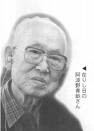
Awano Seiho 阿波野青畝
(1899-1992)
:::::::::::::::::::::::::::::::::::::::::::::::::::::::::::::::::::::::::::::::::::::::::::::::::::::
Obituary: Awano Seiho
by JAMES KIRKUP
Awano Seiho, poet, born Kansai Japan 10 February 1899,
died Nishinomiya Japan 22 December 1992.
AWANO SEIHO was the oldest of the better-known haiku poets who at the beginning of the Showa Era exerted a considerable influence on the art of haiku in Japan.
Seiho belonged to a group that came to be known as 'the four S's' because their first names (the ones haiku poets are usually known by) began with 'S' - the three others being Yamaguchi Seishi, Mizuhara Shuoshi and Takano Soju.
Modern haiku starts with the 'sketch' form in fairly free style by Masaoka Shiki, who handed down his artistic theories to Takahama Kyoshi, whose literary disciple Awano Seiho became. Generally speaking, the aim of these new poets was to depict the ordinary things and events of daily life in an impressionistic rather than a formal way.
A typical example by Seiho from his 1986 collection Joya ('New Year's Eve') is:
Sucking a persimmon
a seed suddenly popped
into my mouth.
which has something of the quality of the Zen experience known as satori, or spiritual illumination, often brought on by some incongruous happening or association of images.
Seiho wrote simply and directly, without pretentious philosophising or anguished soul-searchings, though he often used images taken from Buddhism, presented in a characteristic matter-of-fact way. He wrote as the ordinary man in the street writes haiku. Always he adopted a low, humble stance towards the art he devoted his whole life to. It was typical of the modesty of the man that he would accept offers to judge the many haiku contests sponsored by such organisations as different as funeral parlours, cake companies, tea merchants and Japan Air Lines, who have done so much to promote an interest in haiku.
Another famous haiku poet, Yamaguchi Seison, claimed that Seiho often read the dictionary in order to find inspiration in new, unusual or simply beautiful words which he would then incorporate in a haiku. Seiho is represented in Gendai Haiku ('Modern Haiku') and his work often appeared in magazines and newspapers. A series of brief studies of his poems has been appearing during the past year in the Nagoya international haiku magazine Ko, edited by the haiku poet Koko Kato.
One of these refers to a haiku trip Seiho made to Shanghai four years ago, in which he writes about the humble rice dumplings known as getsu-pei, or in Japanese the tsukimi or rice dumplings eaten during autumn moon-viewing:
Cramming my mouth with
getsu-pei, Lake Sei
remains unruffled.
This was composed at a celebrated beauty spot, the lake in Hang Zhou in China. For the last 14 years, the Asahi Shimbun newspaper has been printing, right in the middle of its first page, not the latest financial deals and squabbles, but a poetry column of haiku and tanka (the 31-syllable poetic form), something no other newspaper in the world would dare do. It was in such an atmosphere favourable to the popular passion for poetry that old poets such as Awano Seiho, and a growing number of younger haiku poets, made their name.
source : www.independent.co.uk
15 January 1993
::::::::::::::::::::::::::::::::::::::::::::::::::::::::::::::::::::::::::::::::::::::::::::::::::
WKD : The Four S Poets and Shasei
山又山山桜又山桜
yama mata yama yamazakura mata yamazakura
mountain after mountain
mountain cherry trees
after mountain cherry trees
::::::::::::::::::::::::::::::::::::::::::::::::::::::::::::::::::::::::::::::::::::::::::::::::::
牡丹百二百三百門一つ
botan hyaku nihyaku sambyaku mon hitotsu

one hundred peonies
two hundred, three hundred ...
and only one gate
Maybe he is visiting one of the famous peony temples of Japan.
. WKD : Numbers used in Haiku
:::::::::::::::::::::::::::::::::::::::::::::::::::::::::::::::::::::::::::::::::::::::::::::::::::::
むつ五郎むつ十郎の泥試合
mutsugoroo mutsujuuroo no doro shiai
mudskipper five
and mudskipper ten
fight in the mud
Mutsugoro
und Mutsujuro
machen eine Schlammschlacht
This is a play of words with the name of Mutsugoro. Five and ten, a small one and a big one are fighting for a female.
WKD : Mutsugoro dishes from Saga Prefecture
:::::::::::::::::::::::::::::::::::::::::::::::::::::::::::::::::::::::::::::::::::::::::::::::::::::

法師出て嫌はるるなり歌がるた
hooshi dete kirawaruru nari utagaruta
the priest-poet came up
I hate it, I hate it, this
poetry trump
The priest-poet here is Shune Hooshi (Shun-e Hoshi) 俊恵法師
of the 100 poetry cards (hyakunin isshu 百人一首)
He is number 85 in the collection.
His top verse reads
夜もすがら 物思ふころは 明けやらで
his bottom verse reads
閨のひまさへ つれなかりけり
All through the never-ending night
I lie awake and think;
In vain I look to try and see
The daybreak's feeble blink
Peep through the shutter's chink.
http://woodblock.com/poets/frame_index.php?year=3&print=4
In the Ogura Hyakunin Isshu card game, there are quite a few hooshi 法師 priests.
Sometimes a special game is played, the "boozu meguri 坊主めくり". If you draw the card of one of the priests, you have to perform some spacial tricks or have your face painted black with ink. That is why the hooshi - boozu card is not well liked.
WKD : Karuta ... poetry trump cards and hanafuda
:::::::::::::::::::::::::::::::::::::::::::::::::::::::::::::::::::::::::::::::::::::::::::::::::::
水棹突く白丁老いけり三船祭
misao tsuku shirahari oikeri Mifune sai
the old boatsman
pushes with the long rod -
Mifune festival
. Mifune Festival in Kyoto .
:::::::::::::::::::::::::::::::::::::::::::::::::::::::::::::::::::::::::::::::::::::::::::::::::::
こんな蚊が明恵上人を螫しにけむ
konna ka ga Myooe shoonin o sashi ni kemu
this mosquito
comes all the way to bite
Saint Myo-E
. Myoe Shonin 明恵上人 (1173-1232) .
:::::::::::::::::::::::::::::::::::::::::::::::::::::::::::::::::::::::::::::::::::::::::::::::::::
水澄みて金閣の金さしにけり
mizu sumite Kinkaku no kin sashi ni keri
clear water (of autumn)
the gold of Golden Pavillion
shines so bright
WKD : The Golden Pavillion
and Higashiyama Culture, Kyoto
Haiku about temple Byodo-In 平等院 in Uji
. Phoenix Hall 鳳凰堂 .
.................................................................................
五月雨の雨だればかり浮御堂
samidare no amadare bakari Ukimi Doo
only falling rain
of the rainy season -
the Floating Hall
WKD : The Floating Hall and Lake Biwa
.................................................................................
隙間風十二神将みな怒る
sukima kaze juuni shinshoo mina okoru
wind through the cracks -
the twelve heavenly generals
look so angry
WKD : The 12 Heavenly Generals and Haiku

:::::::::::::::::::::::::::::::::::::::::::::::::::::::::::::::::::::::::::::::::::::::::::::::::::
火に克ちて毛虫韋駄天ばしりかな
hi ni kachite kemushi Idaten-bashiri kana
trying to win against the fire
the hairy caterpiller runs
like Idaten
WKD : The deity Idaten (Skanda) and Haiku
::::::::::::::::::::::::::::::::::::::::::::::::::::::::::::::::::::::::::::::::::::::::::::::::::
Japanese Reference
. . 阿波野青畝
*****************************
Related words
***** Introducing Japanese Haiku Poets
::::::::::::::::::::::::::::::::::::::::::::::::::::::::::::::::::::::::::::::::::::::::::::::::::
3/01/2010
Akimoto Fujio
[ . BACK to WORLDKIGO TOP . ]
:::::::::::::::::::::::::::::::::::::::::::::::::::::::::::::::::::::::::::::::::::::::::::::::::::
Akimoto Fujio 秋元不死男
July 25. 1901年11月3日 - 1977年7月25日
1901-1977
His name was written like this
秋元 不二雄
FUJIO is a pun with "a man who does not die", an undying man.
His first haiku name was
東 京三(ひがし きょうぞう)Higashi Kyoozoo, Higashi Kyôzô
and 東京三は「京三東」(きょうさんとう)kyoosantoo (kyosanto)
(a pun with the name of the communist party of Japan, 共産党).
He was born in Yokohama. Since 1934, he joined the Shinkyo Haiku movement. Toward the end of WWII, he spent some time in prison.
quote
In the haiku book entitled Kobu (A Lump), he writes:
“During wartime, many people were inflicted with wounds. The wound I received, which was inflicted by the Haiku Persecution Incident, was merely ‘a lump.’
Even though it was but ‘a lump,’ I will never forget its pain”
(Akimoto, 62).
http://www.simplyhaiku.com/SHv5n4/features/Ito.html
『瘤』 kobu, a lump, second collection of his writings about prison, 1950
His haiku name later was also
秋元 地平線 Akimoto Chiheisen
He supervised a poetry journal called Hyokai 氷海.
::::::::::::::::::::::::::::::::::::::::::::::::::::::::::::::::::::::::::::::::::::::::::::::::::
kigo for late summer
Memorial Day of Fujio
Fujio Ki 不死男忌 (ふじおき) Fujio Memorial Day
Kanro Ki 甘露忌(かんろき) Kanro Memorial Day
Manza Ki 万座忌(まんざき) Manza Memorial Day
Kanroshuu 甘露集 collection of his poems. 1977
Manza 万座 collection of his poems, for which he got the Iida Dakotsu prize. 1968
Memorial Days of Famous People
SAIJIKI
寸酌を"給油"呼びし不死男の忌
refilling his cup of sake
he called it : "put gas in the car" ...
memorial day of Fujio
Takaha Shugyo 鷹羽 狩行(1930-)
.................................................................................
走馬灯廻らぬもあり不死男の忌
soomatoo mawaranu mo ari Fujio no Ki
the lantern for the dead
sometimes does not turn ...
memorial day of Fujio
Horiuchi Ichiroo 堀内一郎
.................................................................................
北歐の船腹垂るる冬鴎
Fujio 不死男
八方へ白さるすべり甘露の忌
happoo e shiro sarusuberi Kanro no Ki
on all sides
white crape myrtle ...
Kanro memorial Day
Yamamoto Kazuo 山本一雄
:::::::::::::::::::::::::::::::::::::::::::::::::::::::::::::::::::::::::::::::::::::::::::::::::::::
He wrote a lot of haiku using onomatopoetic devices.
. Onomatopoetic Words used in Haiku
鳥わたるこきこきこきと罐切れば
tori wataru kokikokikoki to kan kireba
birds migrating
sound "koki-koki-koki"
as I open a can
He opened a can, it was just after the war and his joy of getting food is expressed in this sound.
It could also be the sound of the birds flying over.
.................................................................................
ライターの火がポポポポと滝涸るる
raitaa no hi ga hohohoho to taki kooru
the flame of the lighter
goes ... "ho ho ho ho "
frozen waterfall
.................................................................................
wantan soup
へろへろとワンタンすするクリスマス
herohero to wantan susuru kurisumasu
I slurp wantan dumplings
with the sound "hero hero" -
Christmas
wantan soup, wanton soup, wonton soup
:::::::::::::::::::::::::::::::::::::::::::::::::::::::::::::::::::::::::::::::::::::::::::::::::::::
He wrote some memorial haiku for other poets.
for poet Dazai Osamu 太宰治(1909~1948
太宰忌の流水落差音あきらか
for haiku poet Shimada Seihoo 嶋田青峰(1882~1944)
(Shimada Seiho)
安房(あは)の海老生きて届きぬ青峰忌
for poet Tomita Moppo 富田木歩 (1897~1923)
木歩忌や三角州(デルタ)に通ふ大鴉
for haiku poet Iida Dakotsu 飯田蛇笏 (1885~1962)
蛇笏忌やどすんと落ちて峡(かひ)の柿
source
http://ww2.enjoy.ne.jp/~rodin33/diary.html
:::::::::::::::::::::::::::::::::::::::::::::::::::::::::::::::::::::::::::::::::::::::::::::::::::::
nemu no hana, silk tree, powder puff, Albizia julibrissin
万緑の一樹ねむの花末だ
manryoku no ichiju no nemu no hana urada
Written 1963 in Kisakata (Kisagata)
Interesting LINK to poets who wrote about Kisakata, including
Matsuo Basho
http://www10.plala.or.jp/tokuda_shusei/kisakata/kisakata.htm
:::::::::::::::::::::::::::::::::::::::::::::::::::::::::::::::::::::::::::::::::::::::::::::::::::::
仰むいて沼はさびしき蓴かな
aomuite numa wa sabishiki nunawa kana
looking up,
the swamp is so lonely ...
water shileds
Haiku about water shield, Brasenia schreberi, junsai
:::::::::::::::::::::::::::::::::::::::::::::::::::::::::::::::::::::::::::::::::::::::::::::::::::
More haiku by Fujio
(from the weblio pages http://www.weblio.jp/)
すみれ踏みしなやかに行く牛の足
ただ妻の支持のみ確か蟇低音
ねたきりのわがつかみたし銀河の尾
わが骨を見てゐる鷹と思ひけり
クリスマス地に来ちちはは舟をこぐ
悪評や垂れて冬着の前開き
運動会少女の腿の百聖し
寒や母地のアセチレン風に欷き
吸殻を炎天の影の手が拾ふ
橋に乗るかなしき道を道をしえ
向日葵の大声でたつ枯れて尚
幸ながら青年の尻菖蒲湯に
降る雪に胸飾られて捕へらる
獄を出て触れし枯木と聖き妻
三月やモナリザを売る石畳 Mona Lisa
子を殴ちしながき一瞬天の蝉
死の見ゆる日や山中に栗おとす
蛇消えて唐招提寺裏秋暗し Temple Toshodai-Ji
終戦日妻子入れむと風呂洗ふ
春惜しむ白鳥の如き溲瓶持ち
少年工学帽かむりクリスマス
厨房に貝が歩くよ雛祭
鳥わたるこきこきこきと罐切れば
売文や夜出て髭のあぶらむし
蝿生れ早や遁走の翅使ふ
氷菓互ひに中年の恋ほろにがき
苗代や一粁先に艦浮ぶ
富士爽やか妻と墓地買ふ誕生日 Mount Fuji
豊年や切手をのせて舌甘し
明日ありやあり外套のボロちぎる
隆々と一流木の焚火かな
冷されて牛の貫禄しづかなり
::::::::::::::::::::::::::::::::::::::::::::::::::::::::::::::::::::::::::::::::::::::::::::::::::
Japanese Reference
"秋元不死男"
*****************************
Related words
***** Introducing Japanese Haiku Poets
::::::::::::::::::::::::::::::::::::::::::::::::::::::::::::::::::::::::::::::::::::::::::::::::::
Inahata Teiko
[ . BACK to WORLDKIGO TOP . ]
:::::::::::::::::::::::::::::::::::::::::::::::::::::::::::::::::::::::::::::::::::::::::::::::::::
Inahata Teiko 稲畑汀子
Teiko Inahata

I see her often in TV programs of various kinds.
Her kindness and energy is very impressive.
Gabi Greve
:::::::::::::::::::::::::::::::::::::::::::::::::::::::::::::::::::::::::::::::::::::::::::::::::::::
Born in 1931, she learned haiku from her grandfather Takahama Kyoshi and father Takahama Toshio.
She edits the haiku magazine “Hototogisu” and selects haiku entries for the Asahi Newspaper. She is the president of the Japan Traditional Haiku Association, the director of the Kyoshi Memorial Museum and an adviser to Haiku International Association.
Her work in Japanese includes several haiku collections and books dealing with haiku.
..hia.com/
Japanese Reference
:::::::::::::::::::::::::::::::::::::::::::::::::::::::::::::::::::::::::::::::::::::::::::::::::::::
Basic Conditions of Japanese Language Haiku
Inahata Teiko
It is very important that you feel free to write a haiku your way.
But there are certain basic conditions which you as a haiku poet are supposed to observe.
Read her instructions here:
Invitation to Haiku
© Inahata Teiko
:::::::::::::::::::::::::::::::::::::::::::::::::::::::::::::::::::::::::::::::::::::::::::::::::::::
NATURE AND OUR LIFE
--- Haiku Living Together with Nature ---
"Haiku in Twelve Months"
January February March April May June July
August September October November December
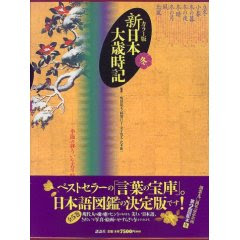
Books by Inahata Teiko
日本伝統俳句協会
INVITATION TO HAIKU
国際俳句交流協会
:::::::::::::::::::::::::::::::::::::::::::::::::::::::::::::::::::::::::::::::::::::::::::::::::::::
December 2010
She was driving on her way back from Matsuyama to Tokyo.
Near Tsuyama, she got into a traffic jam and tried a different road ... but alas ...
to avoid a traffic jam
another traffic jam -
mountain road in winter
. juutai o sakeshi juutai fuyu yamaji
more haiku about traffic jams
百年の老舗を守り藍植うる
.hyakunen no shinise o mamori ai uuru .
:::::::::::::::::::::::::::::::::::::::::::::::::::::::::::::::::::::::::::::::::::::::::::::::::::
朧夜の町かどに聞く美濃仁輪加
oboro ya no machikado ni kiku Mino niwaka
on a hazy spring night
in all corners of Mino you hear
the festival songs
Mino matsuri 美濃祭 Mino festival
:::::::::::::::::::::::::::::::::::::::::::::::::::::::::::::::::::::::::::::::::::::::::::::::::::::
芦屋市はわがまほろばよ燗熱く
Ashiya shi wa waga mahoroba kan atsuku
the town of Ashiya
is my land of bliss -
the sake flask is warm
For the NHK Haiku Okoku meeting in December she had invited the participants to the Kyoshi Memorial Museum in Ashiya.
She had ordered the caretakers not to sweep the leaves of the large keyaki zelkova tree and all could walk and enjoy the crunching sound of the yellow leaves on the ground.
mahoroba
refers to an old poem of the Kojiki, where the land of Yamato is called like this in a poem byMotoori Norinaga
大和は のまほろば たたなずく
あおかき山ごもれるやまとしうるわし
Yamato wa kuni no mahoroba tatanazuku
Aokaki-yama gomoreru Yamato shi uruwashi.
Yamato is
The highest part of the land;
The mountains are green partitions
Lying layer upon layer,
Nestled among the mountains,
How beautiful is Yamato !
Tr. Michael Marra
.................................................................................
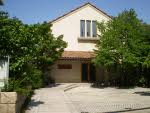
Ashiya Kyoshi Memorial Museum of Literature
虚子記念文学館 . 兵庫県芦屋市
http://www.kyoshi.or.jp/e-index.htm
On display are handwritten poems on scrolls, paper strips and other media, plus letters, manuscripts and other paraphernalia recounting the author’s interactions with scholars and poets of the likes of Shiki Masaoka, Soseki Natsume and Hekigotou Kawahigashi.
In the library, visitors can read the Hototogisu journal of poetry that has continued from 1897 to today, Kyoshi’s writings, and books and journals on poetry.
:::::::::::::::::::::::::::::::::::::::::::::::::::::::::::::::::::::::::::::::::::::::::::::::::::::
. WKD : Repetition used in haiku
samples by Inahata Teiko
:::::::::::::::::::::::::::::::::::::::::::::::::::::::::::::::::::::::::::::::::::::::::::::::::::::
. . . . . BACK TO
Introducing Japanese Haiku Poets
::::::::::::::::::::::::::::::::::::::::::::::::::::::::::::::::::::::::::::::::::::::::::::::::::
2/22/2010
Tomiyasu Fusei
[ . BACK to WORLDKIGO TOP . ]
:::::::::::::::::::::::::::::::::::::::::::::::::::::::::::::::::::::::::::::::::::::::::::::::::::
Tomiyasu Fusei (Tomiyasu Fuusei )
富安 風生 (とみやす ふうせい)
His real name was Kenji 謙次.
1885 - 1979
明治18年(1885)4月16日生~昭和54年(1979)2月22日
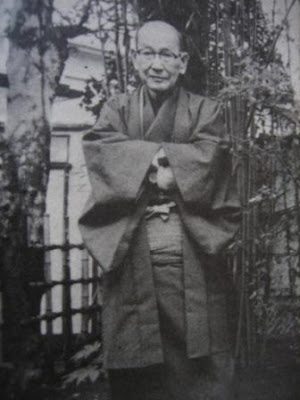
Famous member of the Hototogisu Haiku Group, from Aichi prefecture. He later founded the "Haiku Association of Tokyo University", Toodai Haiku Kai 東大俳句会 with Mizuhara Shuoshi and Yamaguchi Seishi. They were all students of Takahama Kyoshi.
My own haiku sensei was a student of Fusei sensei.
Fuusei used to teach his haiku students:
People and animals and plants
only show their real face to a person
who looks at them with love and compassion.
人間でも動物でも植物でも、
本当に愛情を持って見つめる人にしか
本当の顔を見せないものだよ
Gabi Greve
:::::::::::::::::::::::::::::::::::::::::::::::::::::::::::::::::::::::::::::::::::::::::::::::::::::

石槌も 南瓜の花も 大いなり
Ishizuchi mo nankin no hana mo ooi nari
The flower of a pumpkin
as well as Mt.Ishizuchi
is great in scale
Fusei Tomiyasu (1885 - 1979) was born in Aichi Prefecture as the fourth son to father "Saburo" and mother "Naka", in 1885. His real name was "Kenji". Naka's father had a Haiku pen name "Baigetsu 梅月 (plum moon)", so his literary talent was descended from his mother.
In May of 1937(Showa 12), he retired as the vice minister of communications after 27 years' service with the Ministry of Communicaions. In Jul. of 1937(Showa 12), he visited Matsuyama for the first time and arrived at Niihama, he composed this Haiku as his first impression of Ehime.
© www.lib.ehime-u.ac.jp
:::::::::::::::::::::::::::::::::::::::::::::::::::::::::::::::::::::::::::::::::::::::::::::::::::::
More English Reference
Japanese Reference
:::::::::::::::::::::::::::::::::::::::::::::::::::::::::::::::::::::::::::::::::::::::::::::::::::::
銀杏散る遠くに風の 音すれば
ichoo chiru tooku ni kaze no oto sureba
scattering gingko leaves
faint sound from the wind
far away
稗蒔や疲れたる眼にみどりなり
hie maki ya tsukaretaru me ni midori nari
millet plants -
pleasant greenery for
my tired eyes
Millet as kigo
吉備の野をここに絞りて山仕事
Kibi no no o koko ni shiborite yama shigoto
the plains of Kibi -
it seems a good place for
work in the mountain forests
Mimasaka area and Haiku
Tr. Gabi Greve
:::::::::::::::::::::::::::::::::::::::::::::::::::::::::::::::::::::::::::::::::::::::::::::::::::::
浪花おどり見つつはあれど旅疲れ
Naniwa odori mitsutsu wa aredo tabi tsukare
I keep watching
the Naniwa dance but
I am tired from the travel
Tr. Gabi Greve / Naniwa Odori
:::::::::::::::::::::::::::::::::::::::::::::::::::::::::::::::::::::::::::::::::::::::::::::::::::::
hatsu fuji ya chazan no ue ni kakure nashi
On New Year's Day
Mt. Fuji presents a brilliant figure
above the tea hills.
Classic Haiku: A Master's Selection
Miura, Yuzuru
Hitohira no koyuki Momiji o tamuke kana
街の雨鶯餅がもう出たか
michi no ame uguisu mochi ga moo deta ka
rain on the road -
are the uguisu mochi
already on sale?
. WASHOKU
Uguisu Mochi - rice cakes in spring
lit. "bush warbler rice cakes", or "nightingale rice cakes".
. . . . .
秋晴や宇治の大橋横たはり
akibare ya Uji no oohashi yokotahari
fine autumn weather -
the big bridge at Uji
spreads over the river
. Uji Festival 宇治祭
:::::::::::::::::::::::::::::::::::::::::::::::::::::::::::::::::::::::::::::::::::::::::::::::::::::
国許の母が来てゐて二の替
Kabuki and Haiku
一位の 実含みて吐きて 旅遠し
Ichii (Yew Tree) and Haiku
この道をふみもまどはず鳴雪忌
kono michi o fumi mo madowazu Meisetsu ki
Naito Meisetsu Memorial Day
まんまろき 月のあがりし 西瓜番
manmaroki tsuki no agarishi nankin ban
:::::::::::::::::::::::::::::::::::::::::::::::::::::::::::::::::::::::::::::::::::::::::::::::::::::
風生先生矍鑠として電波の日
Fuusei sensei kakushuku shite denpa no hi
Master Fusei
is still so vigorous . . .
Radio Day
Kishi Fusanro (Fuusanroo) 岸風三樓 (1910 - 1982)
Radio Day and Haiku
:::::::::::::::::::::::::::::::::::::::::::::::::::::::::::::::::::::::::::::::::::::::::::::::::::
Compiled by Larry Bole:
Blyth is not especially favorable to Fusei. None of Fusei's haiku appears in Blyth's 4-vol. Haiku, and Blyth has this to say about Fusei in Vol. 2 of History of Haiku:
[Fusei] made haiku a kind [of] hobby for people to engage in, in other words his haiku was "popular" in both the good and bad sense. [p. 165]
The popularization of haiku by Fusei was undesirably inevitable... [p. 344]
. . . . .
asagao no hanada no awaki inochi oshi
I love the rest of my life
Though it is transitory
Like a light azure morning glory.
trans. Yozuru Miura
(I think of a haiku by Hakyo as being a companion piece to the above haiku:
asagao-no kon-no kanata-no tsukishi kana
The morning-glory --
far beyond its dark blue,
months and days to come.
Hakyo, trans. Ueda)
Back to Fusei:
hana-kuzu ni kuchi aku koi ya natsu-mekite
To the falling shreds
of blossoms a carp opens its mouth:
summer has come.
trans. Ueda
gasorin no ma-akaki tenba haru no ame
At the gas station
a bright red Pegasus--
spring rain.
trans. Ueda
(I like the above haiku especially because it reminds me of seeing the red Pegasus signs at Mobil gas stations on the long driving vacations my father took our family on in my youth.)
ikkei no yuri no zenryoku ichirai ni
A lily stalk
concentrating all its might
into one flower bud.
trans. Ueda
chichi no goto mata haha no goto oo natsuki
Like a father
and also like a mother,
the huge summer tree.
trans. Ueda
Blyth did translate some of Fusei's haiku, and here is one:
te ni torite hanachishi hagi no eda nagashi
Taking it in the hand,
And letting it go,--
How long the branch of the lespedesa!
trans. Blyth
*****************************
Related words
***** Introducing Japanese Haiku Poets
Mizuhara Shūōshi (Shuuooshi, Shuuoushi)(1892-1981)
Takahama Kyoshi (1874 - 1959)
Yamaguchi Seishi (1901 - 1994)
::::::::::::::::::::::::::::::::::::::::::::::::::::::::::::::::::::::::::::::::::::::::::::::::::

2/21/2010
Arima Akito
[ . BACK to WORLDKIGO TOP . ]
:::::::::::::::::::::::::::::::::::::::::::::::::::::::::::::::::::::::::::::::::::::::::::::::::::
Arima Akito 有馬朗人(ありま あきと)
(September 13, 1930 - December 07, 2020)
Chairman, Japan Science Foundation
prominent nuclear theorist
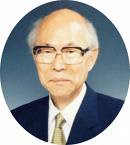
The International Human Frontier Science Program Organization (HFSPO) is pleased to announce the election of Professor Akito Arima as President and Chair of the Board of Trustees. Professor Arima will take office on April 1st 2009
He was President of Tokyo University from 1989-1993 and President of The Institute of Physical and Chemical Research (RIKEN) from 1993-1998. From 1998 to 1999 he was Minister of Education, Science, Sports and Culture and Minister of State for Science and Technology. Among his other current activities he plays an important role in supporting the public understanding of science as Chairman of the Japan Science Foundation. As Co-Chairman of the Board of Governors of the international graduate university, the Okinawa Institute of Science and Technology (OIST-PC) that is now under construction, he continues to advance science worldwide.
source : www.alphagalileo.org
Akito Arima received his Bachelor of Science degree in 1953, his Master of Science degree in 1956 and his Doctor of Science in 1958 from the University of Tokyo.
Detailed Biography
http://www.jspsusa.org/FORUM1997/bio.arima.html
English Reference
He also signed the Matsuyama Haiku Declaration 1999
. . The Matsuyama Declaration, 1999
He is often on NKH National TV in the various Haiku programs.
He is teaching Haiku on NHK from 2011 for two years.

平凡社の11月新刊
『松尾芭蕉この一句』
監修は有馬朗人さんと宇多喜代子さん
Haiku by Matsuo Basho
Arima Akito and Uda Kiyoko
:::::::::::::::::::::::::::::::::::::::::::::::::::::::::::::::::::::::::::::::::::::::::::::::::::
Ginko – A Conversation with Dr. Akito Arima
Haiku Chronicles Episode 25: Ginko
Dr. Akito Arima joins us in a conversation on the subject of a ginko walk, writing haiku, and seeing the world with new eyes.
Listen to the interview HERE :
source : vimeo.com
::::::::::::::::::::::::::::::::::::::::::::::::::::::::::::::::::::::::::::::::::::::::::::::::::


光堂より一筋の雪解水
Hikaridoo yori hitosuji no yukige mizu
from the Golden Hall
one straight line of
melt water
Arima Akito 有馬朗人
Scientist and Haiku Poet
ISBN: 1-929820-01-1
. Hiraizumi and the Golden Hall
quote
Dr Akito Arima combines a certain traditional elegance, and the seasoned perspective of a world traveled professor and scientist. He maintains the depth and lightness of true haiku, yet fluently covers places and spaces, and as a family person at that. I love his spider webs, women's gloves, and use of the color white. (To mention just a little.) His poems subtly pose a powerful model for us all, with their delicate, confident cosmopolitanism:
cool morning—
a baby carriage
crossing the border
(Brazil)
I warmly welcome this fine collection into the world of American poetry."
Gary Snyder
Davis, California
http://www.brooksbookshaiku.com/translations/arimahaiku.html
:::::::::::::::::::::::::::::::::::::::::::::::::::::::::::::::::::::::::::::::::::::::::::::::::::
古事記読む八方に濃き春霞
kojiki yomu happoo ni koki harugasumi
reading the Kojiki -
in all directions there is
thick spring haze
. Kojiki 古事記 "Record of Ancient Matters" .
:::::::::::::::::::::::::::::::::::::::::::::::::::::::::::::::::::::::::::::::::::::::::::::::::::::
かく生きてかく忘れられ雪達磨
kaku ikite kaku wasurerare yuki daruma
thus lived
thus being forgotten
the snowman
Arima Akito 有馬朗人
Tr. Emiko Miyashita
quote
Interview with Emiko Miyashita
by Robert Wilson
question:
You have studied haiku under Japanese haiku master, Dr. Akito Arima. What influence has he had on your writing? How has it affected your life as a poet?
answer:
I was taught by Dr. Arima that the form of haiku could contain only a limited number of words; thus it was fit to deal with beauty of the world we live in and that poets should let more complicated subjects be written in tanka or other forms of poetry. When I write haiku, I try to make it simple, precise, and pleasant (for the readers), because a haiku can only exist if it has a reader/someone to share it.
I write haiku in a haiku community, and therefore I cannot write haiku that is too selfish or has too much self-content. My haiku is for the readers and that includes myself as a reader, too. Dr. Arima, however, has many touching haiku about his pain, agony, and distress, and yet are sublimated into beautiful images.
In Japanese haiku, we have kigo, seasonal words, which are not only the selected words typical of seasons but also an accumulation of more than a millennium of our poetry.
By making use of this kigo, we can convey the feeling of pain and agony in a simple line.
hana nagaku iesu egakare samui kabe
with a long nose
a painting of Jesus--
the cold wall
Akito Arima
Read also an Interview with Robert Wilson
and more haiku from the Einstein book
Q) What do you look for when writing a haiku?
A) I try to capture the feelings of "The Fours":
in a year--the four seasons;
in a month--the four stages of
the waxing and waning of the moon;
in a day--morning, afternoon, evening, and night.
. . . READ MORE in our library
2003/2004 Simply Haiku
::::::::::::::::::::::::::::::::::::::::::::::::::::::::::::::::::::::::::::::::::::::::::::::::::
夕暮のはかりに重き寒鮃
yuugure no hakari ni omoki kan-birame
it feels so heavy
the winter flounder on a scale
in the evening
Paraverse Gabi Greve
Flounders and Haiku
. Dolfin Haiku
::::::::::::::::::::::::::::::::::::::::::::::::::::::::::::::::::::::::::::::::::::::::::::::::::
shoka ni aku yuubin kitte hodo no mado
初夏に開く郵便切手ほどの窓
in early summer
I open a window the size
of a stamp
. Postal Stamps and Haiku
:::::::::::::::::::::::::::::::::::::::::::::::::::::::::::::::::::::::::::::::::::::::::::::::::::::
時雨るるや象の字多き普賢経
shigururu ya zoo no ji ooki Fugen kyoo
cold sleet falling . . .
the word "elephant" is so often
in the Fugen Sutra
. Fugen Bosatsu, elephant and the Fugen Sutra
::::::::::::::::::::::::::::::::::::::::::::::::::::::::::::::::::::::::::::::::::::::::::::::::::
haiku about the Eiffel Tower, Paris
. ayatori no efferutoo mo fuyu ni iru
. Portugal .
::::::::::::::::::::::::::::::::::::::::::::::::::::::::::::::::::::::::::::::::::::::::::::::::::
Japanese Reference
”有馬朗人”
::::::::::::::::::::::::::::::::::::::::::::::::::::::::::::::::::::::::::::::::::::::::::::::::::
December 08, 2020

Sources say Arima was found collapsed at his home in Tokyo on Monday and was later pronounced dead.
He was born in Osaka, western Japan. After graduating from the University of Tokyo, he became a professor and later served as president of the university.
On top of many awards he received in Japan for his achievement in nuclear physics, Arima was given France's highest order of merit, Legion of Honor. Arima became a member of the Upper House of the Diet in 1998, assuming the post of education minister and the head of the then-science and technology agency.
After his retirement from politics, he took up the post of president at private and public educational institutions.
In 2016, Arima served as the head of an education ministry panel to discuss the fast-breeder reactor Monju, which had a series of safety troubles.
- NHK news -
*****************************
Related words
***** Introducing Japanese Haiku Poets
:::::::::::::::::::::::::::::::::::::::::::::::::::::::::::::::::::::::::::::::::::::::::::::::
[ . BACK to DARUMA MUSEUM TOP . ]
::::::::::::::::::::::::::::::::::::::::::::::::::::::::::::::::::::::::::::::::::::::::::::::
[ . BACK to WORLDKIGO . TOP . ] ::::::::::::::::::::::::::::::::::::::::::::::::::::::::::::::::::::::::::::::::::::::::::::::::
::::::::::::::::::::::::::::::::::::::::::::::::::::::::::::::::::::::::::::::::::::::::::::::::::
1/27/2010
Kusumoto Kenkichi
[ . BACK to WORLDKIGO TOP . ]
:::::::::::::::::::::::::::::::::::::::::::::::::::::::::::::::::::::::::::::::::::::::::::::::::::
Kusumoto Kenkichi
楠本憲吉 (くすもと けんきち )
1922‐1988
Born in Osaka on December 19, 1922, died on December 17, 1988.
His father owned a famous restaurant 灘万.
He studied at Keio University in Mita ward, Tokyo.
He studied haiku with Hino Sojo (Soojoo) 日野草城 (1901-1956).
Published the magazine "No no Kai" 野の会.
He also wrote many essays and critiques.
Haiku editions
Inka Shokubutsu 隠花植物
Kokaku 孤客 (Lonely travelling)
Haiku no shiteiseki
by Kenkichi Kusumoto, 1979
Kusumoto Kenkichi no sekai
(Showa haiku bungaku arubamu)
by Yu Matono
::::::::::::::::::::::::::::::::::::::::::::::::::::::::::::::::::::::::::::::::::::::::::::::::::
三田二丁目の秋ゆうぐれの赤電話
Mita nichoome no aki yuugure no aka denwa
Mita second district
in the autumn evening
a red telephone
Kenkichi wrote this in 1985.
He had lived close to the main gate of Keio University in Mita, Minato-ku, Tokyo.
The public telephone was near the traffic crossing to the gate.
. . . CLICK here for Photos of Mita !
::::::::::::::::::::::::::::::::::::::::::::::::::::::::::::::::::::::::::::::::::::::::::::::::::
歳月や今川焼きに幼児の香
saigetsu ya Imagawa-yaki ni yooji no ka
Le temps passe vite !
Le fumet de "Imagawayaki"
Me rappelle mon enfance.
source : 俳句と季語の仏訳練習
time passes fast -
the fragrance of Imagawa waffles
remind me of my childhood
. WASHOKU
kind of waffles filled with sweat bean paste
:::::::::::::::::::::::::::::::::::::::::::::::::::::::::::::::::::::::::::::::::::::::::::::::::::
花舗の灯果舗の灯殊にレモンの艷めく灯
鴨遊ぶ地畔孤客でおしゃれで僕で
夫人が撞く鐘の音存分に吸う緑雨
汝の甘えに似て雪柳陽になだれ
見よ東海の岬に彳てばひそかに春
スリットがこぼす脚線香港初夏
句碑も冷ゆるかわが渾身の句彫みつ
source : haijiten/haiku
::::::::::::::::::::::::::::::::::::::::::::::::::::::::::::::::::::::::::::::::::::::::::::::::::
Japanese Reference
楠本憲吉
*****************************
Related words
***** Introducing Japanese Haiku Poets
::::::::::::::::::::::::::::::::::::::::::::::::::::::::::::::::::::::::::::::::::::::::::::::::::
1/23/2010
Usuda Aro
[ . BACK to WORLDKIGO TOP . ]
:::::::::::::::::::::::::::::::::::::::::::::::::::::::::::::::::::::::::::::::::::::::::::::::::::
Usuda Aro 臼田亜浪
Aro Usuda, Usuda Aroo 臼田亜浪(うすだあろう)
Arô Usuda (1879 - 1951)
Born Feburary 1 in Komuro, Nagano 長野小諸
Died November 11 .
His grave is at the temple 中野宝仙寺
His real name was
臼田卯一郎 Usuda Uichiroo
His Haiku Name was also Itto 一兎(いっと)(one rabbit)
He graduated from Hosei University 法政大学(ほうせいだいがく) .
He met Takahama Kyoshi and studied haiku with him.
He edited the haiku magazine
shakunage 石楠(しゃくなげ) Rhododendron
His motto was
一句一章.
His student was Ono Rinka 大野林火.
His publications
『亜浪句鈔(くしょう)』(1925)
『旅人』(1937)
『白道』(1946)
::::::::::::::::::::::::::::::::::::::::::::::::::::::::::::::::::::::::::::::::::::::::::::::::::
郭公や何処までゆかば人に逢はむ
kakkoo ya doko made yukeba hito ni au
this cuckoo . . .
how far do I have to walk
until I meet somebody
::::::::::::::::::::::::::::::::::::::::::::::::::::::::::::::::::::::::::::::::::::::::::::::::::
死ぬものは死にゆく躑躅燃えてをり
shinu mono wa shi ni yuku tsutsuji moete ori
all mortal beings
have to die - azaleas
in full bloom
. shi ni yuku ... mortality and haiku
:::::::::::::::::::::::::::::::::::::::::::::::::::::::::::::::::::::::::::::::::::::::::::::::::::::
白れむに夕日の金の滴れり
hakuremu ni yuuhi no kin no shitatareri
on white magnolias
gold of the setting sun
is dripping
mokuren (木蓮) magnolia
hakuren 白蓮 white lotus
::::::::::::::::::::::::::::::::::::::::::::::::::::::::::::::::::::::::::::::::::::::::::::::::::
虫干しの山家の牛に鳴かれけり
mushi-boshi no yamaga no ushi ni nakarekeri
drying out the bugs
in the mountanin lodge
the cows keep mooing
mushi-boshi (drying the bugs)
doyoo-boshi (drying during the dog-days)
Das Lueftchen im Sommer
wurde mir vom Rind der Berghuette gemuht.
(uebersetzt: KIMIZUKA Rie)
::::::::::::::::::::::::::::::::::::::::::::::::::::::::::::::::::::::::::::::::::::::::::::::::::
ふるさとは山路がかりに秋の暮
furusato wa yamaji ga kari ni aki no kure
in my home land
as I walk along a mountain path . . .
end of autumn
or
twilight on an autumn day
. furusato ふるさと Home village, home town, home land
He was born in the mountainous region of Shinshu (Nagano). This haiku shows hid deep feelings for this area.
::::::::::::::::::::::::::::::::::::::::::::::::::::::::::::::::::::::::::::::::::::::::::::::::::
source : www.haikuspirit.org
Into the shrieking north wind
a hawk flies
aiming for Mount Fuji
On the tip of a branch
hangs the setting sun
- autumn wind
Growing dark as usual
from the depth of a snowstorm
a huge solar disk
FROM: JAPANESE HAIKU 2001
Published and edited by the
MODERN HAIKU ASSOCIATION (GENDAI HAIKU KYOKAI)
Translations by Eric Selland, Philip Zitowitz and Martin Lucas
::::::::::::::::::::::::::::::::::::::::::::::::::::::::::::::::::::::::::::::::::::::::::::::::::
Japanese Reference
流れ消ゆ雲かよ野路の閑古鳥
ゆく雲の心を誘ふ暮の春
墓起す一念草をむしるなり
氷挽く音こきこきと杉間かな
鵯のそれきり鳴かず雪の暮
臼田亜浪
曙や比叡の霞の街へのび
浅間ゆ富士へ春暁の流れ雲
するが野や大きな富士が麦の上
木曽路ゆく我れも旅人散る木の葉
and many many more
http://suien.ne.jp/0001/aro/kansyo.htm
*****************************
Related words
***** Introducing Japanese Haiku Poets
::::::::::::::::::::::::::::::::::::::::::::::::::::::::::::::::::::::::::::::::::::::::::::::::::
1/14/2010
Tsukushi Bansei
[ . BACK to WORLDKIGO TOP . ]
:::::::::::::::::::::::::::::::::::::::::::::::::::::::::::::::::::::::::::::::::::::::::::::::::::
Tsukushi Bansei 筑紫磐井
(1950, January 14 - )
His real name is 國谷実.
A literary critic from Kyoto. His trademark are dark sunglasses.
He has also translated Japanese haiku into English.
. Translations by Bansei
Haiku Collection by Bansei
筑紫磐井集
『野干』 東京四季出版、1989年
『婆伽梵(ばかぼん)』 弘栄堂書店、1992年
『花鳥諷詠』(『筑紫磐井集』所収)
::::::::::::::::::::::::::::::::::::::::::::::::::::::::::::::::::::::::::::::::::::::::::::::::::
俳諧はほとんどことばすこし虚子
haikai wa hotondo kotoba sukoshi Kyoshi
haikai is
mostly about words
a bit about Kyoshi
::::::::::::::::::::::::::::::::::::::::::::::::::::::::::::::::::::::::::::::::::::::::::::::::::
Japanese Reference
筑紫磐井
*****************************
Related words
***** Introducing Japanese Haiku Poets
[ . BACK to WORLDKIGO . TOP . ]
:::::::::::::::::::::::::::::::::::::::::::::::::::::::::::::::::::::::::::::::::::::::::::::::::::::
1/05/2010
Kobayashi Issa
[ . BACK to WORLDKIGO TOP . ]
. Kobayashi Issa in Edo - 江戸 .
:::::::::::::::::::::::::::::::::::::::::::::::::::::::::::::::::::::::::::::::::::::::::::::::::::
Kobayashi Issa
Kobayashi Issa (小林一茶)
(June 15, 1763 - January 5, 1828)
"A cup of tea"
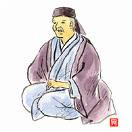

a Japanese poet, and Buddhist priest, known for his haiku poems and his journals. He is regarded as one of the four haiku masters in Japan, along with Bashō, Buson and Shiki.
© More in the WIKIPEDIA !
. Kobayashi Issa in Edo - 江戸 .
:::::::::::::::::::::::::::::::::::::::::::::::::::::::::::::::::::::::::::::::::::::::::::::::::::::
kigo for late winter
Issa Ki 一茶忌 Issa Memorial Day
January 5
. Memorial Days of Famous Poeple .
:::::::::::::::::::::::::::::::::::::::::::::::::::::::::::::::::::::::::::::::::::::::::::::::::::::

David Lanoue and ALL about Issa !
everyday Issa
Haiga by Nakamura Sakuo
Comments and translations by
. - Chris Drake - .
Translating Haiku Forum
Dew on the Grass: the life and poetry of Kobayashi Issa
by Ueda Makoto
:::::::::::::::::::::::::::::::::::::::::::::::::::::::::::::::::::::::::::::::::::::::::::::::::::
arabonpu 荒凡夫
Kaneko Tohta calls Issa an "ara bonpu" a "wild normal man", a normal man who lived freely with the earth and on the earth.
“荒凡夫”の魅力にあふれ
生涯2万句(芭蕉は1000句)を作った一茶の魅力は自らいう「荒凡夫」にあると。
「荒凡夫」とは庶民ながら自由気ままに生きる人。
「一茶はふつうの人間であり、俗物でもあったが、生きもの感覚を失わなかった所に偉さがある」とする。
一茶の句では、「雀の子そこのけゝ御馬が通る」や「やれ打つな蝿が手を摺り足をする」が筆者は好きなのだが、「前者はできのいい句とはいえないが、素朴で生き物へのいたわりがある。後者は慈悲心を持ての解釈はまちがいで、慈悲心そのものが表れた句」と金子さんは説く。
金子さんのイチ押しは「梟(ふくろう)も面癖直せ春の雨」
fukuroo mo tsuraguse naose haru no ame。
妻からいわれて作ったとの趣向だが、「実際は妻へのいたわりの句」というのが金子さんの解釈。もう1句は「花けしのふはつくやうな前歯哉」。一茶49歳のときの作で、歯のぐらつきをけしの花にたとえたのが秀逸であると。
source : www.zakzak.co.jp / 長野祐二
梟も面癖直せ春の雨
fukuroo mo tsuraguse naose haru no ame
you too, owl,
change your facial expression -
rain in spring
One can hear the wife of the author talking ...
Kaneko Tohta explains,
Issa wrote this haiku because his wife nagged him to cheer up, but it is in fact an expression of his love for the wife.
He sees Issa as an arabonpu 荒凡夫 , a wild but normal man, who lived freely with the earth and on the earth.
花ちるや末代無智の凡夫衆
hana chiru ya matsudai muchi no bonpu shuu
cherry blossoms scatter--
the ignorant masses
of these latter days
Laymen (bonbu) are "without wisdom" (muchi). They watch the cherry blossoms falling from branches without perceiving, in the scene, the Buddhist lesson of transience: that they, too, are temporary beings. Nothing abides.
Though matsudai can mean "eternity," in Pure Land Buddhism it can allude more specifically to this "latter age" of corruption.
Tr. David Lanoue
Pure Land Buddhism 浄土仏教
a broad branch of Mahāyāna Buddhism and currently one of the most popular traditions of Buddhism in East Asia. Pure Land is a branch of Buddhism focused on Amitābha Buddha.
In Japanese Buddhism,
Pure Land practice exists independently as four sects: Jōdo-shū 浄土宗, Jōdo Shinshū, Yūzū-nembutsu-shū and Ji-shū. Strong institutional boundaries exist between sects which serve to clearly separate these Pure Land schools from the Japanese Zen schools. One notable exception to this is found in the Ōbaku Zen school, which was founded in Japan during the 17th century by the Chinese Buddhist monk Yinyuan Longqi (J. Ingen Ryuki).
The Ōbaku Zen school retains many Chinese features such as mindfulness of Amitābha Buddha (Amida) through recitation, and recitation of the Pure Land sūtras.
© More in the WIKIPEDIA !
- quote
The artistic quality and appeal of haiku
In 1970, I was very interested in the wandering poets Santoka and Issa.
Although Issa is not usually considered a wandering poet, I was especially drawn to him. Even now I like him more than Basho, Buson, and Shiki. When I tried to see what drew me to him, I found an indescribable accessibility in his poetry.
I do not want to use the term "mass appeal," but his haiku are so easy to understand.
- source : Kaneko Tohta 金子兜太
:::::::::::::::::::::::::::::::::::::::::::::::::::::::::::::::::::::::::::::::::::::::::::::::::::::
Issa Yukari-no Sato Museum
The isolated house, where Kobayashi Issa (a poet), used to visit, has been restored and built at this place. Issa's character is introduced by using cartoon pictures and miniature dolls. The original book of one of his three great works, Chichi-no Shuen Nikki, and other valuable materials are displayed.
5161-1 Oaza Takai, Takayama-mura
source : www.book-navi.com/hokusa
:::::::::::::::::::::::::::::::::::::::::::::::::::::::::::::::::::::::::::::::::::::::::::::::::::
Saimyo-Ji Temple in Shikoku and Issa 最明寺
Japanese Culture via Haiku
Kobayashi Issa
My own collection of Issa Haiku.
Nakano Clay Doll
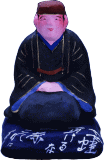
The Family Fukuro-ya in Nakano has been very kind to Issa and sponsored him in his old age. They have an Issa Memorial Museum.
When he visited Nakano, Issa wrote the following haiku
ぶらり来て 親子の如し 雪の宿
burari kite oyako no gotoshi yuki no yado
I just came by
and was treated like family -
a home in the snow


© Photos and Information from Nakamura Sakuo
ふくろや美術館の . "一茶と土びな展"
External LINK
..................................
- - - - - More Daruma Museum Articles
Daruma, Issa and Nakano Clay Dolls
Traditional Folk Toys, Food and Issa
ISSA and the Three Venerable Treasures, sanson 三尊 of the Haiku World
Temple Saimyo-Ji (Saimyooji) and Issa 最明寺
Issa in Karuizawa 軽井沢
Arukigami, the God of Wandering 歩行神
Sozorogami そぞろ神 of Matsuo Basho
. Issa Oshoo and Daruma Oshoo 一休和尚
Priest Ikkyu, lying down drunk 一休和尚酔臥図
(Painting by Hanabusa Itchoo)
.................................................................................
子のぶんを母いただくや嘉定喰ひ
ko no bun o haha itadaku ya kajoo gui
the portion of the child
is eaten by the mother . . .
eating on Kajo-Day
. Issa and his children
**********************************
BACK TO

Issa and Basho Kokeshi Dolls
Introducing Japanese Haiku Poets
. Kobayashi Issa in Edo - 江戸 .
[ . BACK to DARUMA MUSEUM TOP . ]
[ . BACK to WORLDKIGO . TOP . ]
CLICK to join ISSA on Facebook !

:::::::::::::::::::::::::::::::::::::::::::::::::::::::::::::::::::::::::::::::::::::::::::::::::::::


 Posts
Posts


