[ . BACK to WORLDKIGO TOP . ]
:::::::::::::::::::::::::::::::::::::::::::::::::::::::::::::::::::::::::::::::::::::::::::::::::::
Tosa Diary (Tosa Nikki)
***** Location: Japan
***** Season: Non-seasonal Topic
***** Category: Humanity
*****************************
Explanation
Tosa Nikki 土佐日記 Tosa Diary
by
Ki no Tsurayuki 紀貫之
(872-945)
Nikki bungaku (日記文学) is a genre of Japanese diary literature including prominent works such as the Tosa Nikki, Kagerō Nikki, and Murasaki Shikibu Nikki. While diaries began as records imitating daily logs kept by Chinese government officials, private and literary diaries emerged and flourished during the Heian period (794-1192 AD).
Although scholars have found diaries dating back to the eighth century, most of those were mere records kept on daily matters of state. At that time, Japan looked to China as a model of culture and civilization and sought to copy Chinese official government diaries. Thus, early Japanese diaries were factual, written in Chinese characters, and influenced by official, male perspectives.
Ki no Tsurayuki (872?-945), a famed poet and author, is credited with writing the first literary diary.
His Tosa Nikki, written in 935, records his journey from Tosa in Shikoku to Kyoto through the alleged perspective of a female companion. Departing from the tradition of diaries written in Chinese, Tsurayuki used vernacular Japanese characters, waka poetry, and a female narrator to convey the emotional aspects of the journey.
© More in the WIKIPEDIA !
:::::::::::::::::::::::::::::::::::::::::::::::::::::::::::::::::::::::::::::::::::::::::::::::::::
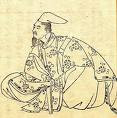
Ki no Tsurayuki
was a Japanese author, poet and courtier of the Heian period.
Tsurayuki was a son of Ki no Mochiyuki. He became a waka poet in the 890s. In 905, under the order of Emperor Daigo, he was one of four poets selected to compile the Kokin Wakashū, an anthology of poetry.
After holding a few offices in Kyoto, he was appointed the provincial governor of Tosa province and stayed there from 930 until 935. Later he was presumably appointed the provincial governor of Suo province, since it was recorded that he held a waka party (Utaai) at his home in Suo.
He is well-known for his waka and is counted as one of the Thirty-six Poetry Immortals selected by Fujiwara no Kinto. He was also known as one of the editors of the Kokin Wakashū. Tsurayuki wrote one of two prefaces to Kokin Wakashū; the other is in Chinese. His preface was the first critical essay on waka. He wrote of its history from its mythological origin to his contemporary waka, which he grouped into genres, referred to some major poets and gave a bit of harsh criticism to his predecessors like Ariwara no Narihira.
His waka is included in one of the important Japanese poetry anthologies, the Hyakunin Isshu, which was compiled in the 13th century by Fujiwara no Teika, long after Tsurayuki's death.
Besides the Kokin Wakashū and its preface, Tsurayuki's major literary work was the Tosa nikki (土佐日記) (Tosa Diary), which was written using kana.
The text details a trip in 935 returning to Kyoto from Tosa province, where Tsurayuki had been the provincial governor.
Most researchers have long believed that Tsurayuki impersonated a woman, because they assume that kana was usually by women in the Heian Period.
© More in the WIKIPEDIA !
Out in the marsh reeds
A bird cries out in sorrow,
As though it had recalled
Something better forgotten.
A lovely flower withered,
with its colors gone,
the fragrance
lingers faintly
at the temple bell.
preface to the Kokinshu 古今集 (ca. 905)
*****************************
Worldwide use
Die alte Provinz Tosa
Tosa ist der alte Name der heutigen Präfektur Koochi. Tosa war in früheren Zeiten über die steilen Berge von Zentral-Shikoku kaum zu erreichen und der einfachste Zugang war mit dem Schiff. In dem bekannten „Tagebuch von Tosa“ beschreibt Ki no Tsurayuki (872-945) den fünfjährigen Aufenthalt des Statthalters von Tosa in diesem Hinterland und seine Reise zur Hauptstadt Kyoto, allerdings aus der Sicht einer Hofdame gesehen. Dieses Tagebuch ist eines der ersten seiner Art in der japanischen Tagebuch-Literaturgeschichte.
Dank seiner Abgelegenheit war Tosa auch die Endstation einiger Adeliger, die ins Exil geschickt wurden und so ihre höfische Kultur mit in diese Gegend brachten.
Gabi Greve
*****************************
Things found on the way
Sweets from Tosa

銘菓「土佐日記」饅頭 Manju

WASHOKU : Dishes from Kochi (Koochi 高知)
*****************************
HAIKU

土佐日記懐にあり散る桜
Tosa Nikki futokoro ni ari chiru sakura
in my breast pocket
I carry the "Tosa Diary" -
cherry blossoms fall
Takahama Kyoshi 虚子
:::::::::::::::::::::::::::::::::::::::::::::::::::::::::::::::::::::::::::::::::::::::::::::::::::
. nikki kau 日記買う (にっきかう) buying a diary
furu nikki 古日記 (ふるにっき) old diary
nikki hatsu 日記果つ(にっきはつ)end of the diary
kigo for mid-winter
.................................................................................
hatsu nikki 初日記(はつにっき)first entry in the diary
..... nikki hajime 日記初 にっきはじめ
..... shin nikki 新日記(しんにっき)new diary
kigo for the New Year
.............................................................................
この暗き海鳴の町日記買ふ
kono kuraki uminari no machi nikki kau
this dark town
where the sea roars so loud -
I buy a diary
Kuroda Momoko 黒田杏子
:::::::::::::::::::::::::::::::::::::::::::::::::::::::::::::::::::::::::::::::::::::::::::::::::::::::
Tsurayuki and the Plum Blossoms

source : mifyu1018 - clay bells and poetry
人はいざ心も知らず ふるさとは
花ぞむかしの 香ににほいける
hito wa iza kokoro mo shirazu furusato wa
hana zo mukashi no ka ni nioi keru
The depths of the hearts
Of humankind cannot be known.
But in my birthplace
The plum blossoms smell the same
As in the years gone by.
Ki no Tsurayuki

painting by 稲垣晴雪
Ooshukubai 鴬宿梅
Lit. the plum tree where the warbler dwells.
A painting subject inspired by an episode in the 10c tale in OOKAGAMI 大鏡 concerning a daughter of Ki no Tsurayuki 紀貫之 (898?-945?) who refuses to part with a plum tree (ume 梅). Emperor Murakami 村上 (r. 946-967) decided to replace the withered plum tree in front of his palace, Seiryouden 清涼殿, with a magnificent beautiful red plum tree from Tsurayuki's daughter's garden.
When a messenger arrived to take the tree, however, the daughter attached a waka 和歌 to the branch of the plum tree. It reads;
"The emperor's command should be highly revered,
but how shall I answer if the warbler (uguisu 鴬) asks
where its home (yado 宿) is?"
The Emperor was so moved that he decided to return the tree.
source : JAANUS

The village of my youth is gone,
New faces meet my gaze;
But still the blossoms at thy gate,
Whose perfume scents the ways.
Recall my childhood days.
Tr. Porter
... It is related that Tsurayuki once visited a friend after a long absence; and on being asked jestingly by the latter, how he could remember the way after such a long interval of time, the poet broke off a spray of blossoms from a plum tree growing at the entrance and presented it to his friend with the above impromptu verse.
source : books.google.co.jp

source : www.sacred-texts.com
.............................................................................

source : bokunohosomichi
あこくその心も知らず梅の花
Akokuso no kokoro mo shirazu ume no hana
even the heart of Akokuso
I do not know:
plum blossoms
Tr. Barnhill
like Akokuso's heart
I can't ever know
plum blossoms
Tr. Reichhold
l’esprit intime d’Akokuso
je ne connais pas -
mais ces fleurs de prunier !
Tr. Daniel Py
Akokuso 阿古久曾 - The name of Ki no Tsurayuki 紀貫之 when he was younger.
Written on the New Year day of 1688 貞亨5年正月,
making a reference to the famous waka by Tsurayuki.
Basho stayed at the home of
Ogawa Fuubaku 小川風麦 Ogawa Fubaku in Iga Ueno.
- kokoro こころ - 心 "heart", mind, soul -
. Matsuo Basho 松尾芭蕉 - Archives of the WKD .
.............................................................................

貫之の梅よ附たり三ケの月
Tsurayuki no ume yo tsuketari mike no tsuki
Oh these plum blossoms
of Tsurayuki - hanging on to
a three-day moon
Kobayashi Issa
(The haiku has the cut marker YO in the middle of line 2.)
Tsurayuki's plum blossoms!
attached
to a sickle moon
Tr. David Lanoue
There is even a plum wine with this name:

Oshukubai 鴬宿梅
*****************************
Related words
***** Food from Tosa
***** Museum Haiku about famous Paintings
:::::::::::::::::::::::::::::::::::::::::::::::::::::::::::::::::::::::::::::::::::::::::::::::::::::
[ . BACK to DARUMA MUSEUM TOP . ]
[ . BACK to WORLDKIGO . TOP . ]
:::::::::::::::::::::::::::::::::::::::::::::::::::::::::::::::::::::::::::::::::::::::::::::::::::::
4/23/2009
Tosa Nikki - Tsurayuki

Subscribe to:
Post Comments (Atom)


 Posts
Posts


5 comments:
Ah... hisashiburi ... I remember reading some of these at university... Tosa Nikki mainly - classical Japanese is very interesting! It is like reading the original Beowulf or Chaucer Tales...
.
三日月やふはりと梅にうぐひすが
mikazuki ya fuwari to ume ni uguisu ga
sickle moon--
through plum blossoms softly
the nightingale
Kobayashi Issa
(Tr. David Lanoue)
Matsuo Basho
あこくその心も知らず梅の花
Akokuso no / kokoro mo shirazu / ume no hana
阿古久曾 - Ki no Tsurayuki 紀貫之
Heian Literature
Waka were composed at utaawase and other official events, and the private collections of well-known poets such as Ki no Tsurayuki (the Tsurayuki-shū 貫之集) and Lady Ise (the 伊勢集』 Ise-shū) became well-known.
.
Arimichi Jinja, Aritoshi Jinja 蟻通神社 Shrine
814 Nagataki, Izumisano, Osaka
.
Aritoshi Shrine in Osaka – Historic Shrine with an Ancient Legend
The origin of the shrine dates so far back to ancient times that the details are not clear. Here I would like to introduce to you about the shrine along with its legend related to Tsurayuki Kino.
The shrine is known to have a legend related to Tsurayuki Kino. Tsurayuki Kino is a nobility who lived in the Heian Period, from around the 9th to 10th century and became famous as a great poet.
According to the legend, he was on a trip and kept on horseback as he was passing by Aritoshi Shrine. Then the sky suddenly became covered with dark clouds and it began to pour and making his horse collapse and go ill, to his great perplexity.
- - - - - Noh Play “Aridoshi” Based on the Legend
.
https://heianperiodjapan.blogspot.com/2019/07/ari-ant-legends.html
.
Post a Comment