[ . BACK to WORLDKIGO TOP . ]
:::::::::::::::::::::::::::::::::::::::::::::::::::::::::::::::::::::::::::::::::::::::::::::::::::
Kusumoto Kenkichi
楠本憲吉 (くすもと けんきち )
1922‐1988
Born in Osaka on December 19, 1922, died on December 17, 1988.
His father owned a famous restaurant 灘万.
He studied at Keio University in Mita ward, Tokyo.
He studied haiku with Hino Sojo (Soojoo) 日野草城 (1901-1956).
Published the magazine "No no Kai" 野の会.
He also wrote many essays and critiques.
Haiku editions
Inka Shokubutsu 隠花植物
Kokaku 孤客 (Lonely travelling)
Haiku no shiteiseki
by Kenkichi Kusumoto, 1979
Kusumoto Kenkichi no sekai
(Showa haiku bungaku arubamu)
by Yu Matono
::::::::::::::::::::::::::::::::::::::::::::::::::::::::::::::::::::::::::::::::::::::::::::::::::
三田二丁目の秋ゆうぐれの赤電話
Mita nichoome no aki yuugure no aka denwa
Mita second district
in the autumn evening
a red telephone
Kenkichi wrote this in 1985.
He had lived close to the main gate of Keio University in Mita, Minato-ku, Tokyo.
The public telephone was near the traffic crossing to the gate.
. . . CLICK here for Photos of Mita !
::::::::::::::::::::::::::::::::::::::::::::::::::::::::::::::::::::::::::::::::::::::::::::::::::
歳月や今川焼きに幼児の香
saigetsu ya Imagawa-yaki ni yooji no ka
Le temps passe vite !
Le fumet de "Imagawayaki"
Me rappelle mon enfance.
source : 俳句と季語の仏訳練習
time passes fast -
the fragrance of Imagawa waffles
remind me of my childhood
. WASHOKU
kind of waffles filled with sweat bean paste
:::::::::::::::::::::::::::::::::::::::::::::::::::::::::::::::::::::::::::::::::::::::::::::::::::
花舗の灯果舗の灯殊にレモンの艷めく灯
鴨遊ぶ地畔孤客でおしゃれで僕で
夫人が撞く鐘の音存分に吸う緑雨
汝の甘えに似て雪柳陽になだれ
見よ東海の岬に彳てばひそかに春
スリットがこぼす脚線香港初夏
句碑も冷ゆるかわが渾身の句彫みつ
source : haijiten/haiku
::::::::::::::::::::::::::::::::::::::::::::::::::::::::::::::::::::::::::::::::::::::::::::::::::
Japanese Reference
楠本憲吉
*****************************
Related words
***** Introducing Japanese Haiku Poets
::::::::::::::::::::::::::::::::::::::::::::::::::::::::::::::::::::::::::::::::::::::::::::::::::
1/27/2010
Kusumoto Kenkichi

1/23/2010
Usuda Aro
[ . BACK to WORLDKIGO TOP . ]
:::::::::::::::::::::::::::::::::::::::::::::::::::::::::::::::::::::::::::::::::::::::::::::::::::
Usuda Aro 臼田亜浪
Aro Usuda, Usuda Aroo 臼田亜浪(うすだあろう)
Arô Usuda (1879 - 1951)
Born Feburary 1 in Komuro, Nagano 長野小諸
Died November 11 .
His grave is at the temple 中野宝仙寺
His real name was
臼田卯一郎 Usuda Uichiroo
His Haiku Name was also Itto 一兎(いっと)(one rabbit)
He graduated from Hosei University 法政大学(ほうせいだいがく) .
He met Takahama Kyoshi and studied haiku with him.
He edited the haiku magazine
shakunage 石楠(しゃくなげ) Rhododendron
His motto was
一句一章.
His student was Ono Rinka 大野林火.
His publications
『亜浪句鈔(くしょう)』(1925)
『旅人』(1937)
『白道』(1946)
::::::::::::::::::::::::::::::::::::::::::::::::::::::::::::::::::::::::::::::::::::::::::::::::::
郭公や何処までゆかば人に逢はむ
kakkoo ya doko made yukeba hito ni au
this cuckoo . . .
how far do I have to walk
until I meet somebody
::::::::::::::::::::::::::::::::::::::::::::::::::::::::::::::::::::::::::::::::::::::::::::::::::
死ぬものは死にゆく躑躅燃えてをり
shinu mono wa shi ni yuku tsutsuji moete ori
all mortal beings
have to die - azaleas
in full bloom
. shi ni yuku ... mortality and haiku
:::::::::::::::::::::::::::::::::::::::::::::::::::::::::::::::::::::::::::::::::::::::::::::::::::::
白れむに夕日の金の滴れり
hakuremu ni yuuhi no kin no shitatareri
on white magnolias
gold of the setting sun
is dripping
mokuren (木蓮) magnolia
hakuren 白蓮 white lotus
::::::::::::::::::::::::::::::::::::::::::::::::::::::::::::::::::::::::::::::::::::::::::::::::::
虫干しの山家の牛に鳴かれけり
mushi-boshi no yamaga no ushi ni nakarekeri
drying out the bugs
in the mountanin lodge
the cows keep mooing
mushi-boshi (drying the bugs)
doyoo-boshi (drying during the dog-days)
Das Lueftchen im Sommer
wurde mir vom Rind der Berghuette gemuht.
(uebersetzt: KIMIZUKA Rie)
::::::::::::::::::::::::::::::::::::::::::::::::::::::::::::::::::::::::::::::::::::::::::::::::::
ふるさとは山路がかりに秋の暮
furusato wa yamaji ga kari ni aki no kure
in my home land
as I walk along a mountain path . . .
end of autumn
or
twilight on an autumn day
. furusato ふるさと Home village, home town, home land
He was born in the mountainous region of Shinshu (Nagano). This haiku shows hid deep feelings for this area.
::::::::::::::::::::::::::::::::::::::::::::::::::::::::::::::::::::::::::::::::::::::::::::::::::
source : www.haikuspirit.org
Into the shrieking north wind
a hawk flies
aiming for Mount Fuji
On the tip of a branch
hangs the setting sun
- autumn wind
Growing dark as usual
from the depth of a snowstorm
a huge solar disk
FROM: JAPANESE HAIKU 2001
Published and edited by the
MODERN HAIKU ASSOCIATION (GENDAI HAIKU KYOKAI)
Translations by Eric Selland, Philip Zitowitz and Martin Lucas
::::::::::::::::::::::::::::::::::::::::::::::::::::::::::::::::::::::::::::::::::::::::::::::::::
Japanese Reference
流れ消ゆ雲かよ野路の閑古鳥
ゆく雲の心を誘ふ暮の春
墓起す一念草をむしるなり
氷挽く音こきこきと杉間かな
鵯のそれきり鳴かず雪の暮
臼田亜浪
曙や比叡の霞の街へのび
浅間ゆ富士へ春暁の流れ雲
するが野や大きな富士が麦の上
木曽路ゆく我れも旅人散る木の葉
and many many more
http://suien.ne.jp/0001/aro/kansyo.htm
*****************************
Related words
***** Introducing Japanese Haiku Poets
::::::::::::::::::::::::::::::::::::::::::::::::::::::::::::::::::::::::::::::::::::::::::::::::::
1/14/2010
Tsukushi Bansei
[ . BACK to WORLDKIGO TOP . ]
:::::::::::::::::::::::::::::::::::::::::::::::::::::::::::::::::::::::::::::::::::::::::::::::::::
Tsukushi Bansei 筑紫磐井
(1950, January 14 - )
His real name is 國谷実.
A literary critic from Kyoto. His trademark are dark sunglasses.
He has also translated Japanese haiku into English.
. Translations by Bansei
Haiku Collection by Bansei
筑紫磐井集
『野干』 東京四季出版、1989年
『婆伽梵(ばかぼん)』 弘栄堂書店、1992年
『花鳥諷詠』(『筑紫磐井集』所収)
::::::::::::::::::::::::::::::::::::::::::::::::::::::::::::::::::::::::::::::::::::::::::::::::::
俳諧はほとんどことばすこし虚子
haikai wa hotondo kotoba sukoshi Kyoshi
haikai is
mostly about words
a bit about Kyoshi
::::::::::::::::::::::::::::::::::::::::::::::::::::::::::::::::::::::::::::::::::::::::::::::::::
Japanese Reference
筑紫磐井
*****************************
Related words
***** Introducing Japanese Haiku Poets
[ . BACK to WORLDKIGO . TOP . ]
:::::::::::::::::::::::::::::::::::::::::::::::::::::::::::::::::::::::::::::::::::::::::::::::::::::
1/05/2010
Kobayashi Issa
[ . BACK to WORLDKIGO TOP . ]
. Kobayashi Issa in Edo - 江戸 .
:::::::::::::::::::::::::::::::::::::::::::::::::::::::::::::::::::::::::::::::::::::::::::::::::::
Kobayashi Issa
Kobayashi Issa (小林一茶)
(June 15, 1763 - January 5, 1828)
"A cup of tea"
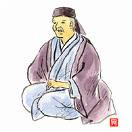

a Japanese poet, and Buddhist priest, known for his haiku poems and his journals. He is regarded as one of the four haiku masters in Japan, along with Bashō, Buson and Shiki.
© More in the WIKIPEDIA !
. Kobayashi Issa in Edo - 江戸 .
:::::::::::::::::::::::::::::::::::::::::::::::::::::::::::::::::::::::::::::::::::::::::::::::::::::
kigo for late winter
Issa Ki 一茶忌 Issa Memorial Day
January 5
. Memorial Days of Famous Poeple .
:::::::::::::::::::::::::::::::::::::::::::::::::::::::::::::::::::::::::::::::::::::::::::::::::::::

David Lanoue and ALL about Issa !
everyday Issa
Haiga by Nakamura Sakuo
Comments and translations by
. - Chris Drake - .
Translating Haiku Forum
Dew on the Grass: the life and poetry of Kobayashi Issa
by Ueda Makoto
:::::::::::::::::::::::::::::::::::::::::::::::::::::::::::::::::::::::::::::::::::::::::::::::::::
arabonpu 荒凡夫
Kaneko Tohta calls Issa an "ara bonpu" a "wild normal man", a normal man who lived freely with the earth and on the earth.
“荒凡夫”の魅力にあふれ
生涯2万句(芭蕉は1000句)を作った一茶の魅力は自らいう「荒凡夫」にあると。
「荒凡夫」とは庶民ながら自由気ままに生きる人。
「一茶はふつうの人間であり、俗物でもあったが、生きもの感覚を失わなかった所に偉さがある」とする。
一茶の句では、「雀の子そこのけゝ御馬が通る」や「やれ打つな蝿が手を摺り足をする」が筆者は好きなのだが、「前者はできのいい句とはいえないが、素朴で生き物へのいたわりがある。後者は慈悲心を持ての解釈はまちがいで、慈悲心そのものが表れた句」と金子さんは説く。
金子さんのイチ押しは「梟(ふくろう)も面癖直せ春の雨」
fukuroo mo tsuraguse naose haru no ame。
妻からいわれて作ったとの趣向だが、「実際は妻へのいたわりの句」というのが金子さんの解釈。もう1句は「花けしのふはつくやうな前歯哉」。一茶49歳のときの作で、歯のぐらつきをけしの花にたとえたのが秀逸であると。
source : www.zakzak.co.jp / 長野祐二
梟も面癖直せ春の雨
fukuroo mo tsuraguse naose haru no ame
you too, owl,
change your facial expression -
rain in spring
One can hear the wife of the author talking ...
Kaneko Tohta explains,
Issa wrote this haiku because his wife nagged him to cheer up, but it is in fact an expression of his love for the wife.
He sees Issa as an arabonpu 荒凡夫 , a wild but normal man, who lived freely with the earth and on the earth.
花ちるや末代無智の凡夫衆
hana chiru ya matsudai muchi no bonpu shuu
cherry blossoms scatter--
the ignorant masses
of these latter days
Laymen (bonbu) are "without wisdom" (muchi). They watch the cherry blossoms falling from branches without perceiving, in the scene, the Buddhist lesson of transience: that they, too, are temporary beings. Nothing abides.
Though matsudai can mean "eternity," in Pure Land Buddhism it can allude more specifically to this "latter age" of corruption.
Tr. David Lanoue
Pure Land Buddhism 浄土仏教
a broad branch of Mahāyāna Buddhism and currently one of the most popular traditions of Buddhism in East Asia. Pure Land is a branch of Buddhism focused on Amitābha Buddha.
In Japanese Buddhism,
Pure Land practice exists independently as four sects: Jōdo-shū 浄土宗, Jōdo Shinshū, Yūzū-nembutsu-shū and Ji-shū. Strong institutional boundaries exist between sects which serve to clearly separate these Pure Land schools from the Japanese Zen schools. One notable exception to this is found in the Ōbaku Zen school, which was founded in Japan during the 17th century by the Chinese Buddhist monk Yinyuan Longqi (J. Ingen Ryuki).
The Ōbaku Zen school retains many Chinese features such as mindfulness of Amitābha Buddha (Amida) through recitation, and recitation of the Pure Land sūtras.
© More in the WIKIPEDIA !
- quote
The artistic quality and appeal of haiku
In 1970, I was very interested in the wandering poets Santoka and Issa.
Although Issa is not usually considered a wandering poet, I was especially drawn to him. Even now I like him more than Basho, Buson, and Shiki. When I tried to see what drew me to him, I found an indescribable accessibility in his poetry.
I do not want to use the term "mass appeal," but his haiku are so easy to understand.
- source : Kaneko Tohta 金子兜太
:::::::::::::::::::::::::::::::::::::::::::::::::::::::::::::::::::::::::::::::::::::::::::::::::::::
Issa Yukari-no Sato Museum
The isolated house, where Kobayashi Issa (a poet), used to visit, has been restored and built at this place. Issa's character is introduced by using cartoon pictures and miniature dolls. The original book of one of his three great works, Chichi-no Shuen Nikki, and other valuable materials are displayed.
5161-1 Oaza Takai, Takayama-mura
source : www.book-navi.com/hokusa
:::::::::::::::::::::::::::::::::::::::::::::::::::::::::::::::::::::::::::::::::::::::::::::::::::
Saimyo-Ji Temple in Shikoku and Issa 最明寺
Japanese Culture via Haiku
Kobayashi Issa
My own collection of Issa Haiku.
Nakano Clay Doll
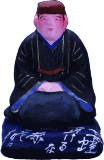
The Family Fukuro-ya in Nakano has been very kind to Issa and sponsored him in his old age. They have an Issa Memorial Museum.
When he visited Nakano, Issa wrote the following haiku
ぶらり来て 親子の如し 雪の宿
burari kite oyako no gotoshi yuki no yado
I just came by
and was treated like family -
a home in the snow


© Photos and Information from Nakamura Sakuo
ふくろや美術館の . "一茶と土びな展"
External LINK
..................................
- - - - - More Daruma Museum Articles
Daruma, Issa and Nakano Clay Dolls
Traditional Folk Toys, Food and Issa
ISSA and the Three Venerable Treasures, sanson 三尊 of the Haiku World
Temple Saimyo-Ji (Saimyooji) and Issa 最明寺
Issa in Karuizawa 軽井沢
Arukigami, the God of Wandering 歩行神
Sozorogami そぞろ神 of Matsuo Basho
. Issa Oshoo and Daruma Oshoo 一休和尚
Priest Ikkyu, lying down drunk 一休和尚酔臥図
(Painting by Hanabusa Itchoo)
.................................................................................
子のぶんを母いただくや嘉定喰ひ
ko no bun o haha itadaku ya kajoo gui
the portion of the child
is eaten by the mother . . .
eating on Kajo-Day
. Issa and his children
**********************************
BACK TO

Issa and Basho Kokeshi Dolls
Introducing Japanese Haiku Poets
. Kobayashi Issa in Edo - 江戸 .
[ . BACK to DARUMA MUSEUM TOP . ]
[ . BACK to WORLDKIGO . TOP . ]
CLICK to join ISSA on Facebook !

:::::::::::::::::::::::::::::::::::::::::::::::::::::::::::::::::::::::::::::::::::::::::::::::::::::


 Posts
Posts


